What Are ChatGPT Ads? The Future of AI Advertising
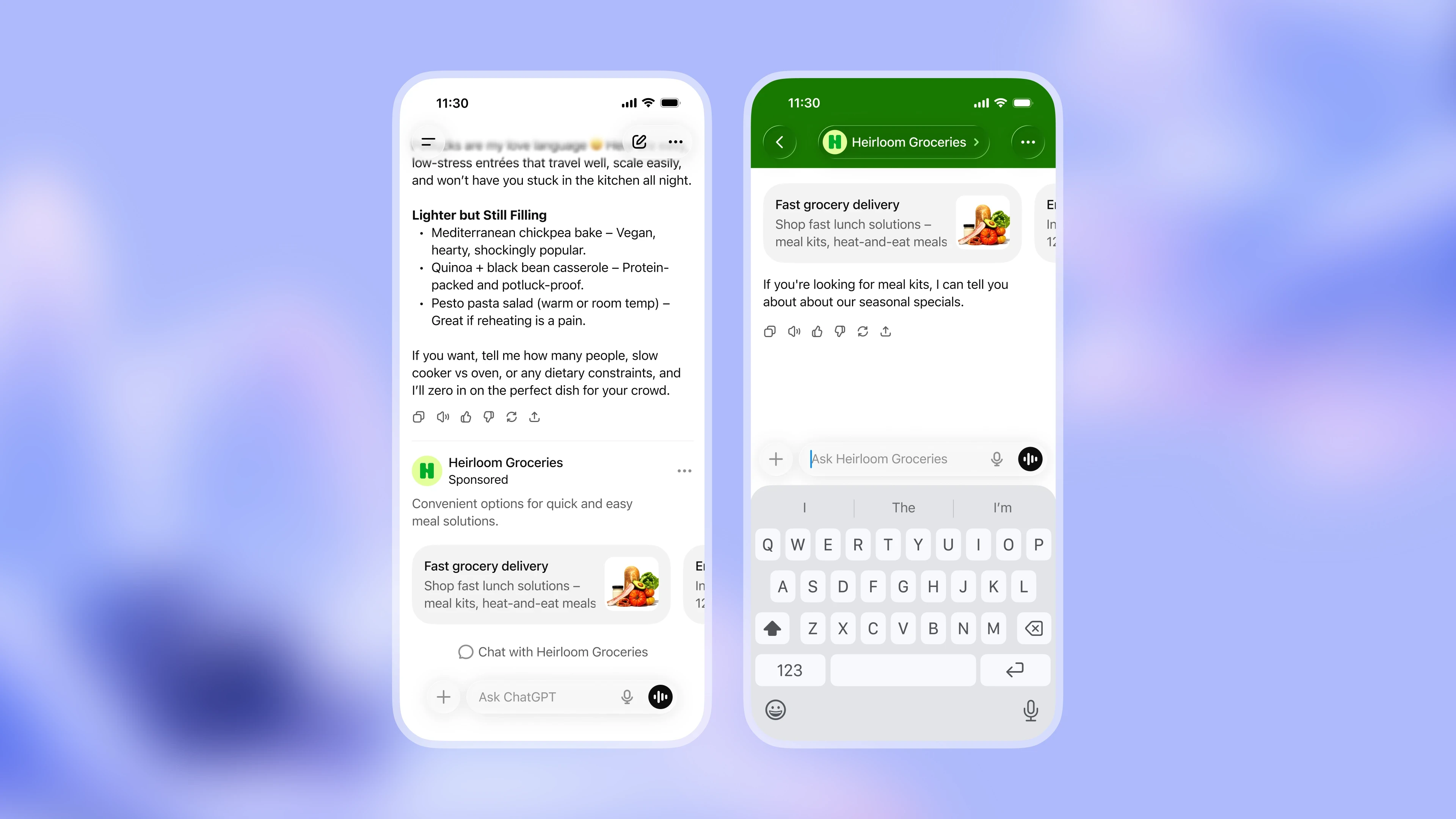
The Old Model of Digital Advertising
For the last two decades, most digital advertising has followed the same basic model: interrupt people while they browse.
Banner ads interrupt reading, social ads interrupt scrolling, and search ads interrupt research. This system works because attention is captured while users are already consuming content.
But AI assistants are starting to change this dynamic.
A New Way People Discover Products
Instead of browsing websites and comparing multiple pages of results, users can now ask AI assistants direct questions and receive structured answers.
This change may introduce an entirely new marketing channel: AI-native advertising inside conversational interfaces like ChatGPT.
Search vs AI Conversations
Traditional search engines rely on keywords.
A user might type queries such as:
“best protein powder”
“moisturizer for dry skin”
“supplements for sleep”
AI assistants allow far more detailed questions, such as:
“I train four times a week and want a protein powder that’s easy to digest - what should I take?”
“What skincare products should I use for sensitive skin?”
“What supplement helps with sleep without making me groggy?”
These queries contain far more context than traditional searches, allowing AI systems to generate a structured recommendation instead of a list of links.
Where ChatGPT Ads Could Appear
Instead of displaying ads around a page, AI assistants could integrate sponsored recommendations directly inside answers.
For example, if someone asks:
“What magnesium supplement helps with sleep?”
The AI might explain the benefits of magnesium and include a clearly labeled sponsored product recommendation within the response.
This would make advertising feel less like interruption and more like a suggested solution.
What Makes AI Advertising Different
AI-native advertising may introduce several key differences compared to traditional digital ads.
• Intent-based targeting – ads appear when users ask highly specific questions
• Context-aware recommendations – suggestions adapt to the conversation
• Decision-stage exposure – brands appear when users are close to choosing a product
Instead of competing for impressions or clicks, brands compete to become the recommended answer.
The Rise of AI Product Discovery
As conversational AI tools become more widely used, product discovery may gradually shift from traditional search engines toward AI assistants.
Rather than scanning multiple websites, users may rely on a single summarized answer generated by an AI system.
That answer could strongly influence which brands are considered.
Why Brands Should Prepare Early
If conversational AI becomes a common starting point for research, the most valuable position in marketing may no longer be the top search result.
It may be the brand suggested inside the answer.
Companies that begin preparing for AI-driven discovery early may gain a significant advantage before the space becomes competitive.